



 SALES
SALES






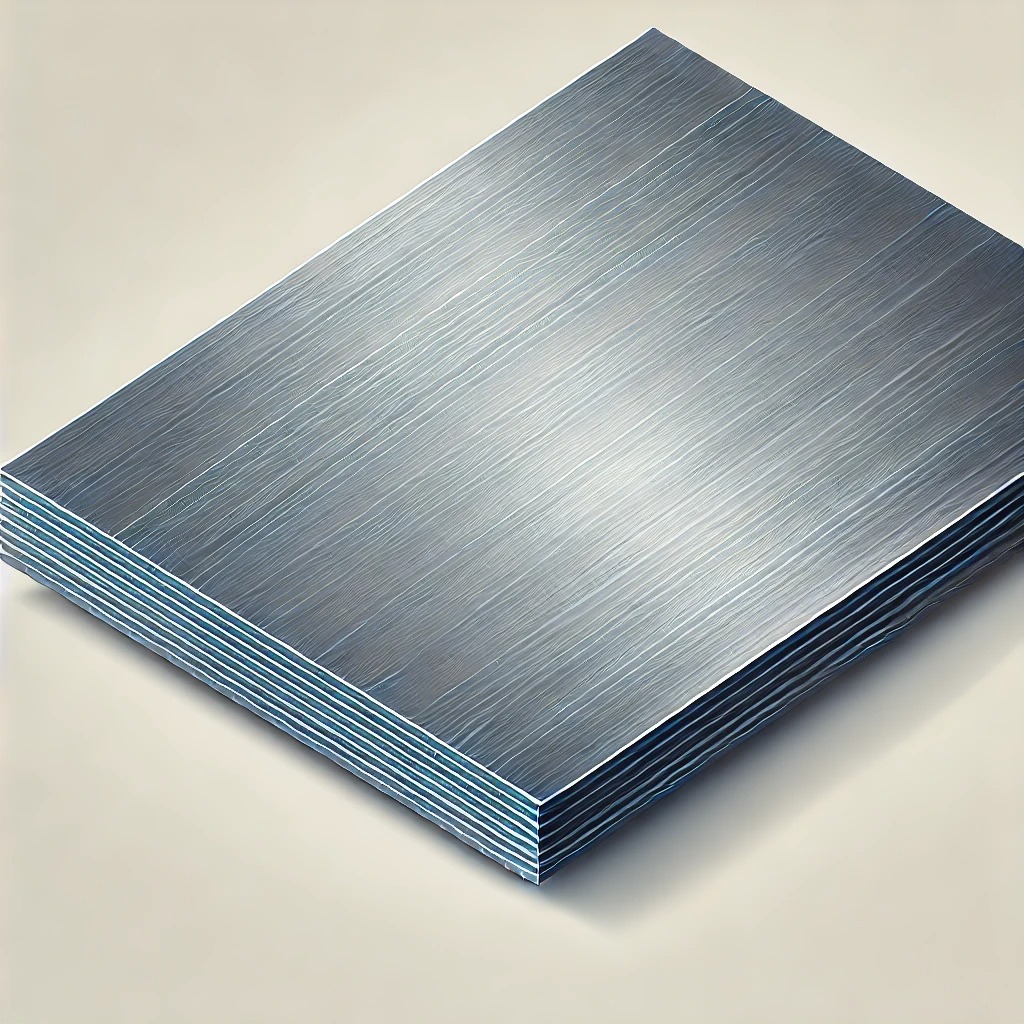
Steel sheets are flat, rectangular pieces of steel available in various sizes and thicknesses. They are commonly used across multiple industries in construction, manufacturing, and engineering applications. Steel sheets are versatile and serve as foundational components for many projects. The choice of sheet type, size, and thickness depends on specific project requirements, including load-bearing capacity, environmental conditions, and engineering specifications. Sheets are essential in many sectors due to their versatility, strength, and durability. They are typically cut, formed, and welded to meet application-specific needs.
Key Features
- Various Steel Types: Steel sheets can be made from different types of steel, including carbon steel, stainless steel, and alloy steel, depending on the intended use and required properties.
- Size Range: Steel sheets come in a wide range of sizes, from small sheets to large, heavy plates. Thickness can vary significantly to suit specific requirements.
- Surface Finishes: Sheets may have various surface finishes such as hot-rolled, cold-rolled, or coated (e.g., galvanized or painted), depending on the manufacturing process and end use.
Applications
- Construction and Building: Used for structural components like beams and columns, as well as bridges, skyscrapers, and other infrastructure projects.
- Manufacturing and Fabrication: Serve as essential raw materials in industrial manufacturing for producing equipment, machinery, and structural parts.
- Shipbuilding: Used in the construction of ship hulls, bulkheads, and other structural parts due to their strength and resistance in marine environments.
- Automotive Industry: Used in vehicle components such as chassis frames, body panels, and safety parts like crumple zones.
- Aerospace Industry: Employed in aircraft structures, landing gear components, and engine parts.
- Oil and Gas Sector: Sheets are used in the construction of pipelines, pressure vessels, and drilling equipment requiring high-strength materials.
- Power Infrastructure: Utilized in power plants, wind turbines, and other energy infrastructure.
- Mining and Heavy Machinery: Used in equipment such as earthmovers, conveyors, and crushers.
- Railways: Applied in track construction and railway infrastructure.
- Material Handling: Used in the production of cranes, conveyors, and storage systems.
- Defense and Military Equipment: Utilized for military vehicles, armor, and equipment due to their strength and protective properties.
CHEQUERED PLATES (TREAD PLATES)
Chequered plates, also known as tread plates, diamond plates, or checker plates, are a type of metal sheet with a raised pattern on one side. The pattern consists of parallel diamond-shaped or tear-drop projections that provide increased traction and anti-slip properties. Tread plates are typically made from materials such as aluminum, steel, stainless steel, and galvanized steel. The specific application and material selection depend on factors such as required corrosion resistance, load-bearing capacity, and aesthetic considerations. Chequered plates are valued for their durability, slip resistance, and adaptability to various environments and industries.
Key Features
- Raised Pattern: The defining feature of chequered plates is their elevated pattern, usually in diamond, tear-drop, or other geometric shapes. This texture enhances grip and provides a non-slip surface.
- Materials: Available in a variety of materials, most commonly aluminum and steel. Aluminum chequered plates are lightweight and corrosion-resistant, making them ideal for applications where weight and corrosion are critical concerns.
- Size Variety: Available in various sizes and thicknesses to meet specific application needs.
- Versatility: Can be cut, formed, and installed in various ways, making them suitable for a wide range of uses.
Applications
- Flooring: Commonly used for industrial floors, commercial vehicles, staircases, platforms, and walkways. The raised pattern provides grip and reduces slip risk.
- Transportation: Used in vehicles, trailers, and transport equipment to provide a durable, non-slip surface.
- Decorative Uses: Aluminum chequered plates are often used for architectural and decorative applications such as wall panels, interior design, and vehicle accessories.
- Toolboxes and Storage: Used in the construction of toolboxes, storage cabinets, and containers due to their strength and wear resistance.
- Industrial Applications: Employed in manufacturing plants, machine platforms, and loading docks.
- Safety Walkways: Used in industrial and construction environments to create safe walking paths where slip prevention is critical.
- Marine Applications: Aluminum tread plates are used in marine settings such as boat flooring, ramps, and decks due to their corrosion resistance.
- Architectural Elements: Can be incorporated into architectural designs to add textured and visually appealing surfaces.