


 SALES
SALES




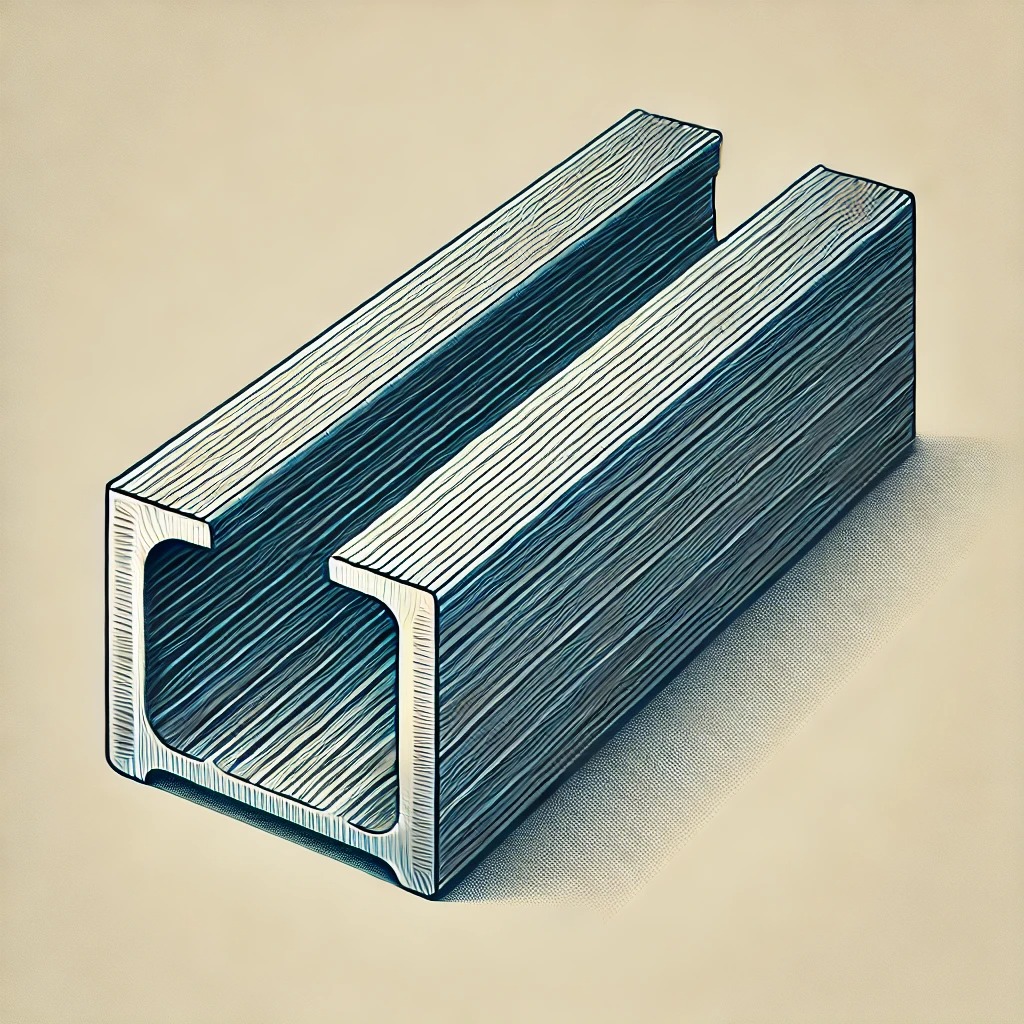
Steel profiles, also known as steel sections or structural steel shapes, are standardized steel forms used in various construction, engineering, and manufacturing applications. These profiles are designed to provide structural support, distribute loads, and enhance the overall stability and safety of buildings, machinery, and other constructions. They come in various shapes and sizes, each with its specific characteristics and applications. Steel profiles are typically made from carbon steel, but other materials such as stainless steel or alloy steel can be used depending on the specific project requirements. The selection of the appropriate steel profile depends on the intended application, load-bearing requirements, and engineering specifications. These profiles are integral components in many industries, contributing to the structural integrity and functionality of buildings, equipment, and other constructions.
- U-Profiles (or C-Profiles):
- Shape: U-shaped profiles have a U-shaped cross-section with two horizontal flanges and no vertical web.
- Key Features: These profiles are commonly used for framing, support, and as structural components in various applications, including building construction.
- L-Profiles:
- Shape: L-shaped profiles have an L-shaped cross-section with two legs forming a 90-degree angle.
- Key Features: L-profiles are typically used for framing, reinforcement, and strengthening in construction, as well as in machinery and equipment.
- T-Profiles:
- Shape: T-shaped profiles have a T-shaped cross-section with a vertical stem and a horizontal top.
- Key Features: They are used as load-bearing elements and structural support in various applications, including construction and machinery.
- Z-Profiles:
- Shape: Z-shaped profiles have a Z-shaped cross-section with two flanges that are parallel but positioned at an angle to each other.
- Key Features: Z-profiles are used in roof and wall systems to provide structural support for metal roofing panels or cladding.
UPN and UPE Channels: UPN and UPE are two widely used European standard profile types used in constructions and building. These profiles have specific cross-sectional shapes and sizes as defined by European standards. They are commonly used in Europe and regions that adopt European standards for structural steel.
- UPN Channels:
- Cross-Section: UPN channels have a U-shaped cross-section with parallel flanges and a narrower web. They are essentially U-channels.
- Applications: UPN channels are used in various structural and frame applications, as well as in equipment, installations, and construction projects. They are suitable for general load-bearing purposes.
- UPE Channels:
- Cross-Section: UPE channels are similar to UPN channels, with a U-shaped cross-section, parallel flanges, and a narrower web. However, UPE channels typically have slightly different sizes and characteristics, often used for specific load-bearing applications.
- Applications: UPE channels are used in construction and engineering applications that require specific load-bearing and size characteristics. They are used in building construction, bridge construction, and various civil engineering projects.
While UPN and UPE channels share similarities in their U-shaped cross-sections, their size differences make them more suitable for specific load and span requirements. Engineers and architects select the appropriate channel profile based on the structural design needs of a particular project. Both UPN and UPE channels are standardized, and their dimensions, weight, and load-bearing capacity are defined according to European standards.